




What should you not cut with a plasma cutter?
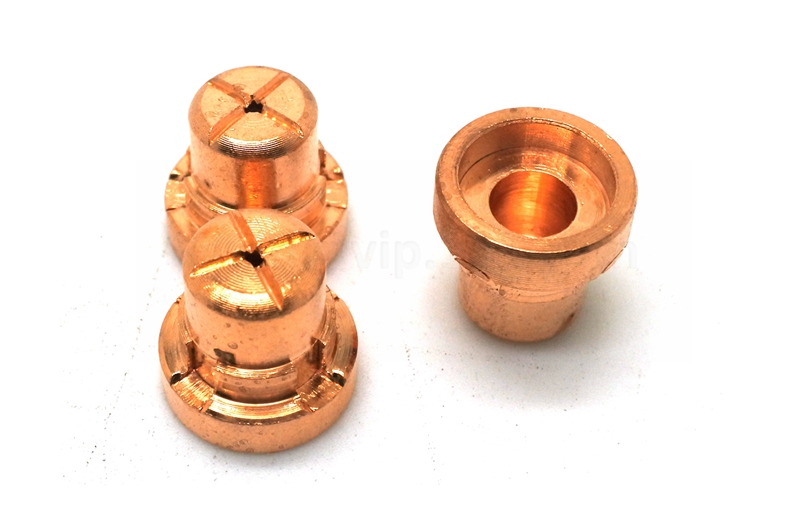
Plasma cutters are efficient tools for cutting metals, widely used in industrial applications. Longren's Plasma PT31 employs advanced dual closed-loop arc control technology, achieving high precision when cutting carbon steel and stainless steel. However, not all materials are suitable for plasma cutting. Here are some materials you should avoid cutting and the reasons why.
Absolute No-Cut Zone for Non-Conductive Materials
1. Organic Polymer Materials
Insulators such as wood, plastic, and rubber cannot form a conductive circuit. When using the Plasma PT31 to cut these materials, the arc may reflect back to the torch, resulting in a reduction of the nozzle's lifespan by over 60%. Experimental data shows that after 15 minutes of continuous cutting of PVC, the equipment failure rate increases to 32%. Therefore, caution is essential when cutting organic materials.
2. Silicon-Based Composites
Materials like glass and ceramics can easily experience thermal shock and shatter under the high temperatures generated by plasma. An ASTM test in 2024 indicated that cutting 6mm thick tempered glass resulted in debris flying over a radius of more than 5 meters, posing significant safety hazards. These materials require special handling methods, not plasma cutting.
Risk Control for Cutting High-Reflectivity Metals
1. Copper and Copper Alloys
Pure copper has a surface reflectivity of up to 92%, far exceeding the threshold that plasma systems can tolerate. Although the reflection monitoring module equipped in the Plasma PT31 can block 80% of energy feedback, cutting brass may still result in ≥3mm of slag attachment, typically requiring secondary processing with water cutting.
2. Mirror-Finished Metals
Mirror-finished stainless steel (Ra≤0.1μm) can lead to a 40% loss of plasma energy. It is recommended to use Longren's AR-7 anti-reflective coating, which is DNV certified and can improve cutting efficiency by 28%. This is crucial for enhancing cutting effectiveness and reducing material loss.
Cutting Challenges with Superalloys
1. Titanium Alloys
The thermal conductivity of titanium (21.9 W/m·K) leads to heat accumulation. When cutting titanium plates thicker than 12mm with the Plasma PT31, the carbonization depth of the cut can reach 0.8mm. In the nuclear industry, electronic beam cutting is recommended to avoid issues during cutting.
2. Tungsten-Molybdenum Alloys
Due to tungsten's melting point (3422°C) exceeding the continuous melting capacity of plasma, the efficiency of cutting a 30mm tungsten plate is only one-fifth that of laser cutting. It is advisable to use Longren's HybridCut technology, which combines plasma pre-cutting and laser fine-tuning to improve cutting effectiveness.
Special Handling Requirements for Composite Coatings
1. Galvanized Materials
Zinc vapor (boiling point 907°C) can clog the equipment's gas path. Although the Plasma PT31 is equipped with a 0.3μm filtration system, maintenance is still required every 2 hours during continuous operation. According to OSHA regulations, the ZnO concentration in the cutting area must be controlled to ≤5mg/m³.
2. Lead-Coated Materials
Lead vapor begins to evaporate at 400°C, necessitating a three-stage negative pressure extraction system during cutting. Longren provides mobile purification modules that meet EPA standards, achieving a lead retention efficiency of 99.97% to ensure operational safety.
Alternative Solutions for Precision Scenarios
1. Ultra-Thin Materials (<1mm)
The minimum heat-affected zone of the Plasma PT31 is 1.2mm, and cutting 0.5mm stainless steel foil may cause edge curling. It is recommended to use a micro-beam plasma system, which can control the cut width to within 0.3mm, thus avoiding edge damage.
2. Electronic Components
The EMI interference generated by plasma cutting can reach 50V/m, exceeding the tolerance limits of precision circuits. It is advisable to use Longren's i-Shield electromagnetic shielding chamber to reduce interference to below 3V/m, protecting sensitive equipment.
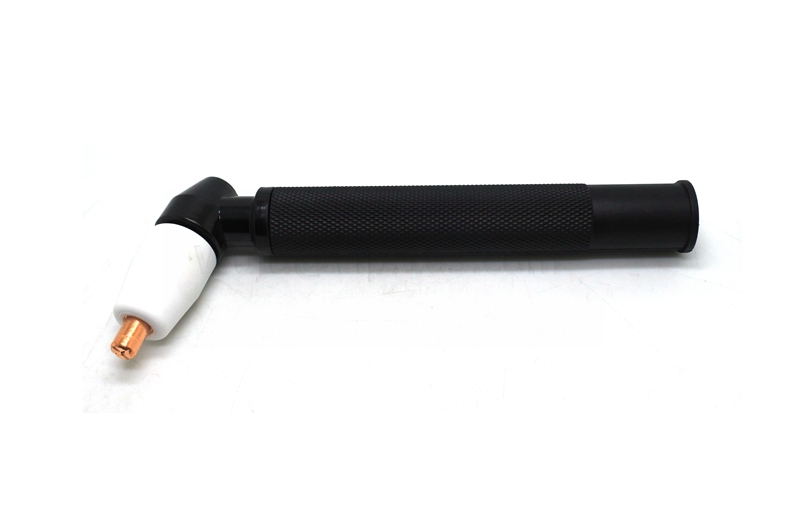
Intelligent Protection System of Longren Plasma PT31
The Plasma PT31 overcomes traditional limitations through three innovative technologies:
Dynamic Impedance Matching: Real-time monitoring of material conductivity characteristics, automatically blocking non-metal cutting commands.
Multi-Spectral Temperature Measurement: A 200Hz sampling frequency precisely controls the molten pool temperature, preventing overheating of high-reflectivity materials.
Material Database: Pre-programmed cutting parameters for 87 types of metals, with automatic locking for violations.
For special conditions, Longren offers customized solutions, including high-reflectivity material-specific torches (with a reflection energy absorption rate of ≥95%), toxic gas purification systems (meeting ISO 15012 standards), and multi-pass cutting process packages for ultra-thick plates.
Conclusion
Understanding which materials should not be cut with the Plasma PT31 is key to ensuring safety and cutting quality. By following these guidelines and recommendations, you can effectively avoid potential risks and fully utilize the performance of the cutting machine. Longren is committed to providing customers with the highest quality cutting solutions, ensuring your work is safe and efficient.
Recent News
1.The Ways to Maintain the Plasma Cutting Torch
2018-11-092.Application and development of plasma torch accessories
2019-04-233.The application of plasma welding parts
2019-07-124.How to solve the plasma cutting torch hanging slag ?
2022-02-215.How to use TIG welding torch and plasma welding torch?
2021-10-286.Operation mode of plasma cutting torch
2021-11-047.Matters needing attention when using plasma cutting torch
2022-01-178.What is the difference between a cutting torch and a plasma cutter?
2024-12-11