




What is the rule of 33 in TIG welding?
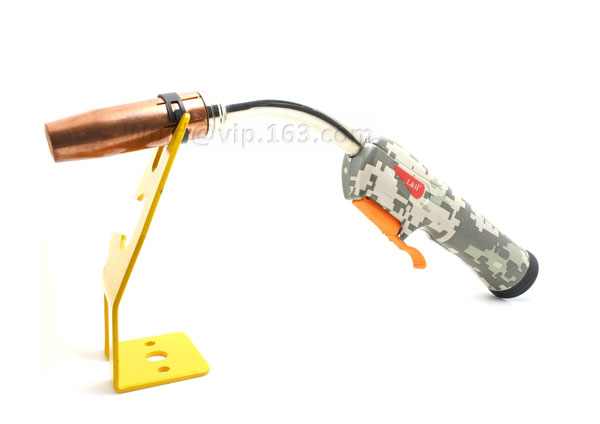
In TIG welding, the "33 rule" is a parameter setting method used for high-speed pulse welding. It is simple to remember and performs excellently in actual welding. Specifically, the "33 rule" includes the following three parameters: 33 pulses per second, 33% pulse time, and 33% background current. This setting is particularly suitable for situations where precise control of the weld shape is required, such as tool and die repair, edge welding, and the build-up welding of filler metals.
What is TIG welding?
TIG welding, namely Tungsten Inert Gas Welding, is a high-quality welding method. It uses a non-consumable tungsten electrode and an inert gas (such as argon) to protect the welding area, preventing oxidation and contamination. TIG welding is widely applied in industries such as aerospace, automotive manufacturing, and stainless steel processing, and is highly favored due to its high welding quality.
Why is the "33 rule" so important?
The "33 rule" is an important operating principle in TIG welding, aiming to improve welding efficiency and quality. The core of this rule is:
33% of the welding time: During the welding process, welders should spend 33% of the time on the actual welding itself.
33% of the time for preparation and adjustment: This includes adjusting the angle of the welding torch, the gas flow rate, and the preparation of welding materials.
33% of the time for inspection and cleaning: After the welding is completed, spend time inspecting the quality of the weld and cleaning the work area.
This principle emphasizes the importance of each stage of welding, ensuring that welders can perform at their best in every aspect.
III. How does the Longren welding torch help you apply the 33 rule?
Precise control: The Longren welding torch uses high-precision components, enabling precise control of the welding current and ensuring the stability of the welding process.
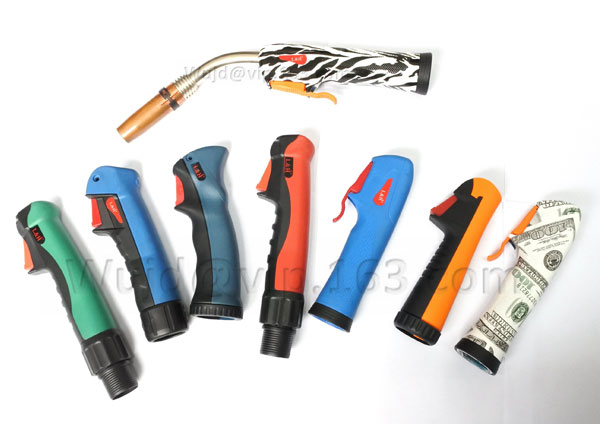
Diversified choices: Longren provides welding torches of various specifications, which can meet the needs of electrodes with different diameters, making it convenient for users to select the appropriate welding torch according to the 33 rule.
Ergonomic design: The Longren welding torch adopts an ergonomic design, offering a comfortable grip and convenient operation, which helps welders precisely control the extension length of the tungsten electrode.
IV. The benefits of the 33 rule
Improve welding quality
Following the 33 rule can significantly improve the welding quality. By reasonably allocating time, welders can better control the welding process and avoid common welding defects.
Enhance work efficiency
By optimizing the welding time, preparation work, and inspection process, welders can improve work efficiency, reduce ineffective labor, and thus complete more welding tasks within the same period.
Reduce costs
High-quality welding means less rework and material waste. Following the 33 rule can help enterprises reduce production costs and improve economic benefits.
Conclusion
In TIG welding, the "33 rule" is a simple yet effective operating principle. By reasonably allocating the welding time, preparation work, and inspection process, welders can not only improve the welding quality but also enhance work efficiency. As an important tool for TIG welding, the use of the TIG welding torch should also follow this principle to ensure the best welding results. As a leader in the welding industry, Longren will continue to provide customers with high-quality welding equipment and solutions, helping welders better apply the 33 rule and improve the welding quality and efficiency.

Recent News
1.What are the welding methods of Tig welding torch?
2021-11-182.Working principle of tig welding torch
2021-10-133.How to use TIG welding torch and plasma welding torch?
2021-10-284.The Best TIG Welding Torch: A Comprehensive Guide
2024-09-305.What is the difference between welding torch and cutting torch
2022-12-316.Why is Choosing the Right MIG Welding Torch Nozzle Essential for Your Projects?
2024-09-21