




What Does the Ceramic Cup Do in TIG Welding?

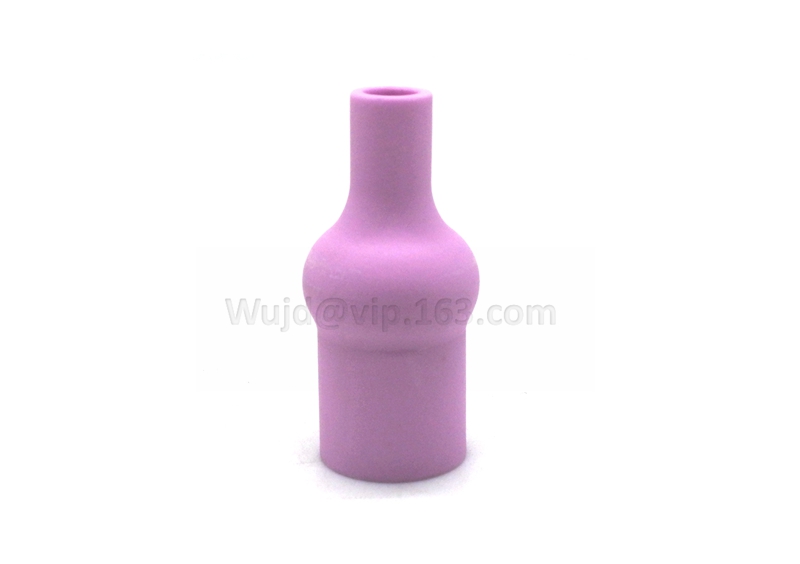
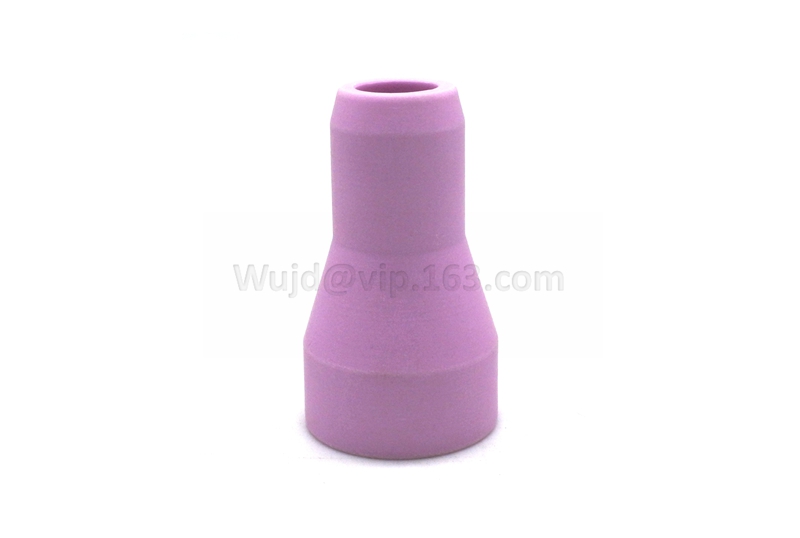
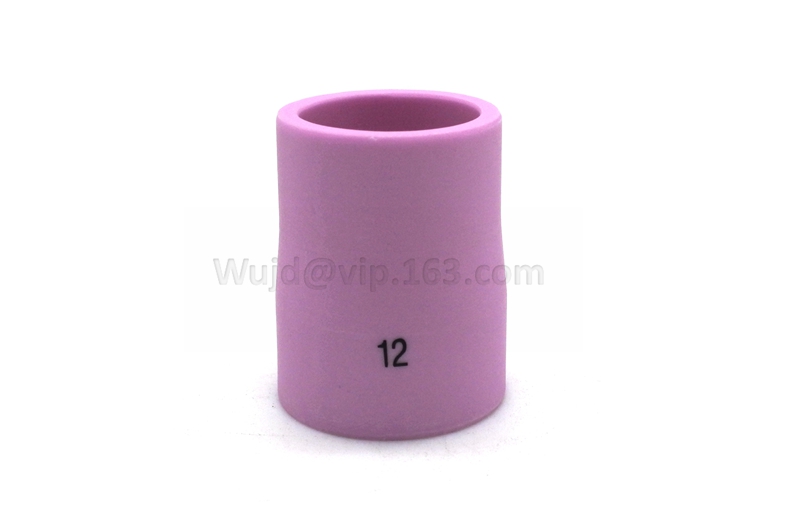
In TIG (Tungsten Inert Gas) welding, the ceramic nozzle (ceramic nozzle for TIG welding) is a critical component ensuring welding quality. As a gas-guiding device for inert gases, its design directly impacts shielding effectiveness, arc stability, and weld formation. With 25 years of technical expertise, Longren—a globally renowned welding equipment manufacturer—decodes the scientific principles and engineering value of ceramic cups while offering high-performance solutions for precision welding.
1. Fundamentals of TIG Welding
TIG welding uses a non-consumable tungsten electrode and inert gas (typically argon or helium) to shield the weld pool from atmospheric contamination. In China, argon is predominantly used, hence its alternative name: Tungsten Argon Arc Welding (TIG or GTAW). During welding:
The arc burns between the tungsten electrode and workpiece.
Inert gas isolates the molten pool, droplets, and tungsten tip from oxygen, nitrogen, and hydrogen.
This protection ensures high-purity, oxidation-free welds.
2. Core Functions of Ceramic Nozzles in TIG Welding
① Precise Inert Gas Distribution
The ceramic cup channels argon/helium to uniformly cover the weld zone, achieving >98% gas coverage. This prevents oxidation, nitriding, and hydrogen embrittlement.
② Arc Stabilization
The insulating properties of ceramics confine the arc’s spread, concentrating energy on the weld point. Longren’s nozzles feature spiral internal grooves to optimize laminar gas flow and minimize arc wander.
③ Electrode and Equipment Protection
By controlling gas diffusion angles, ceramic nozzles reduce tungsten oxidation and prevent spatter buildup inside the torch, extending tool longevity.
3. Four Key Features of Premium Ceramic Nozzles
① High-Temperature Resistance & Thermal Shock Resilience
Longren uses high-purity alumina (Al₂O₃ ≥99.7%) with a 2000°C tolerance. Gradient sintering technology enhances thermal shock resistance for frequent arc ignition.
② Precision Bore Design
Nozzle bore sizes (e.g., No. 5, 6, 8) determine gas flow and coverage:
Small bore (5-6mm): Ideal for thin sheets, gas consumption as low as 5 L/min.
Large bore (8-10mm): Enhances shielding for thick materials.
Longren’s ±0.1mm machining ensures <3% gas distribution deviation.
③ Surface Finish & Anti-Spatter Properties
Nanoscale polishing achieves surface roughness (Ra) ≤0.4μm, reducing metal vapor deposition. Select models feature silicon carbide coatings to resist adhesion from reactive metals like aluminum.
④ Structural Integrity & Safety
Longren nozzles withstand 150N lateral impact forces (per three-point bending tests), minimizing fracture risks from accidental collisions.
4. Advantages of Ceramic Nozzles
Superior High-Temperature Performance
Ceramics maintain stability under extreme heat, ensuring consistent welding operations without deformation.
Electrical Insulation
As an insulator, ceramics prevent current leakage, protecting operators and equipment from arc-related hazards.
Cost Efficiency
Compared to metal nozzles (which require additional insulation and are used in automated welding), ceramic nozzles offer a cost-effective solution for manual operations while meeting most welding needs.

5. Conclusion
As the "silent guardian" of TIG welding, ceramic nozzles (ceramic nozzle for TIG welding) are pivotal to welding success. Through material innovation, precision manufacturing, and stringent quality control, Longren redefines ceramic nozzle standards. Whether for microelectronics requiring nanometer-level precision or heavy industries pushing mechanical limits, Longren’s ceramic nozzles deliver reliable gas shielding and stable process outputs.
Explore Longren’s Ceramic Nozzles Today:Longren Ceramic Nozzle Product Page
Recent News
1.What are the characteristics of the 54n01 nozzle
2024-01-092.Why is Choosing the Right MIG Welding Torch Nozzle Essential for Your Projects?
2024-09-213.What is the Importance of Ceramic Nozzles for TIG Welding?
2024-11-284.The advantages of ceramic nozzle ------ ( Part II )
2017-08-245.The advantages of ceramic nozzle ------ ( Part I )
2017-08-22