



What Type of Nozzle is Used in TIG Welding?

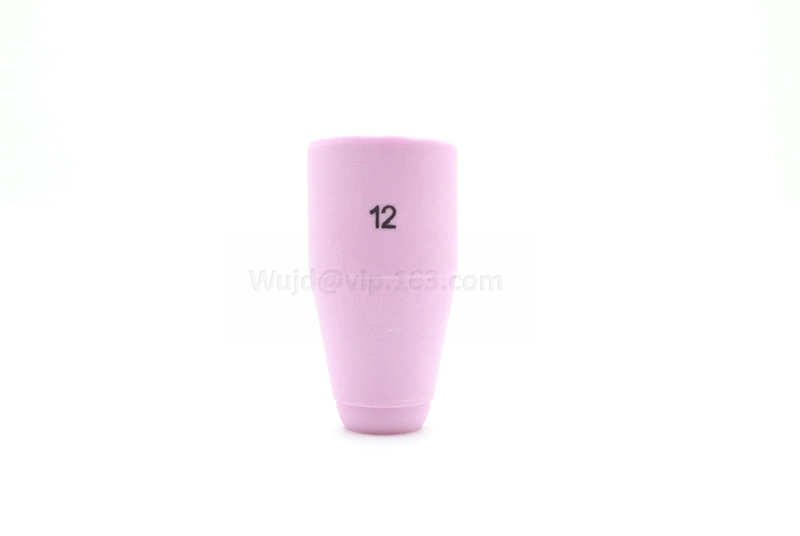
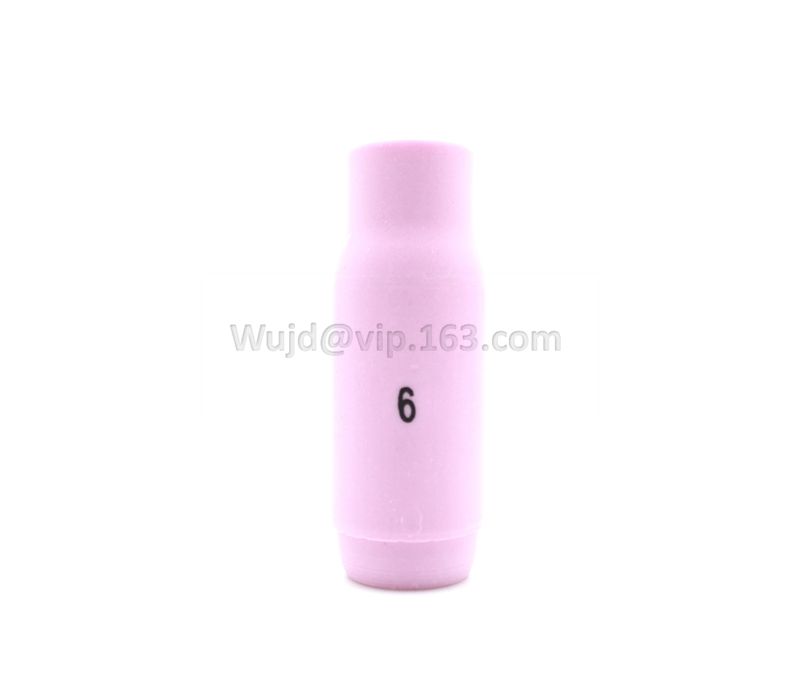
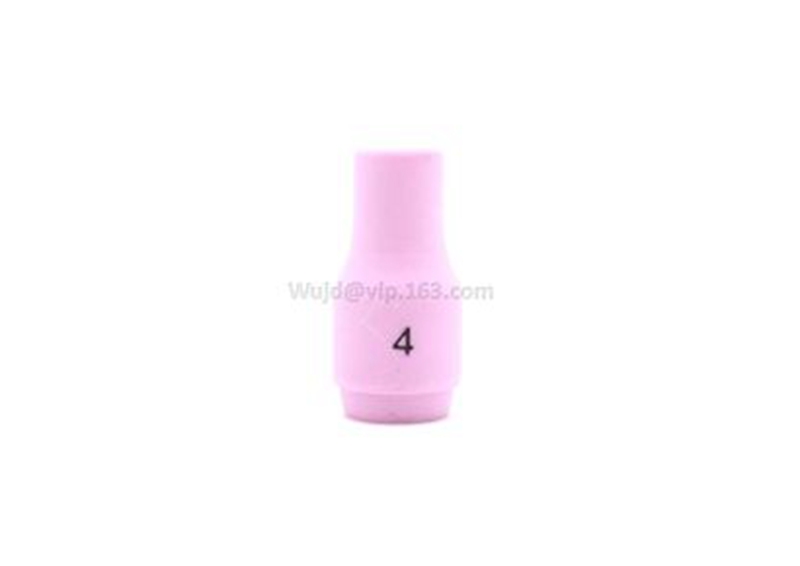
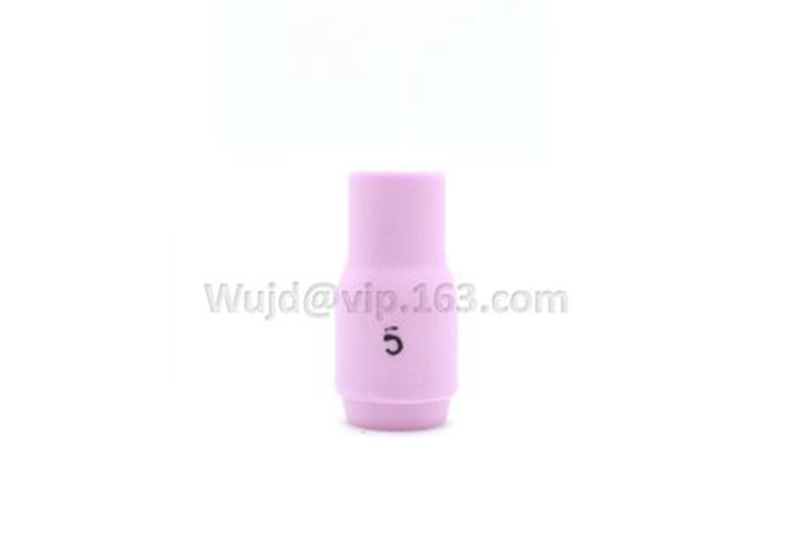
In the pursuit of high-quality welds using TIG (Tungsten Inert Gas) welding, nozzle selection is far from trivial. The TIG welding process critically relies on an inert gas shield (like argon) to protect the molten weld pool from atmospheric contamination. The nozzle plays the pivotal role in precisely directing and maintaining this vital "gas curtain." So, What type of nozzle is used in TIG welding? The answer is definitive: The Ceramic Nozzle is the industry standard and preferred choice.
Why Do Ceramic Nozzles Dominate TIG Welding?
Exceptional High-Temperature Resistance:
Withstands Extreme Heat: TIG welding arcs generate intense temperatures. Ceramic Nozzles can easily endure temperatures exceeding 2000°C without softening, deforming, or releasing harmful fumes.
Thermal Shock Resistance: During repeated heating and cooling cycles inherent in welding, high-quality ceramic nozzles exhibit excellent resistance to thermal shock, minimizing cracking.
Superior Electrical Insulation:
Prevents Accidental Arcing: Ceramic is an excellent electrical insulator. This effectively prevents destructive secondary arcing if the tungsten electrode or torch accidentally contacts the workpiece, safeguarding both equipment and weld integrity.
Cost-Effectiveness & Wide Applicability:
Cost-Effective Solution: Compared to nozzles made from metal or specialized composites, ceramic material offers significantly lower cost and high value.
Wide Availability: Standardized Ceramic Nozzles come in a comprehensive range of sizes (e.g., #5, #6, #7, #8), making them easy to source and replace.

Understanding Your Ceramic Nozzle: Key Structures & Features
Standard Cup Structure:
Cup Size (Nozzle Size): This is the nozzle's most critical identifier, usually denoted by a number (e.g., #6). Cup Size directly influences gas coverage area and weld accessibility. Smaller sizes (#4, #5) suit confined spaces, while larger sizes (#8, #10) provide broader gas shielding, ideal for high-current applications or build-up welding.
Bore (Internal Diameter): Directly related to the Cup Size, this determines the size of the gas exit channel.
Nozzle Shape Variants:
Standard (Straight) Nozzle: The most common type, featuring a straight internal bore for balanced gas protection.
Tapered (Gas Lens) Nozzle: Typically used with a Gas Lens collet body. This nozzle has a tapered inner bore that helps shape the gas into a longer, more laminar (smoother flowing) shield. This is particularly beneficial for deep, narrow joints or materials requiring superior protection (e.g., welding titanium).
Length Options:
Short vs. Long Nozzles: Short nozzles offer better visibility and access. Long nozzles allow the tungsten electrode to extend further, helping maintain gas coverage in deep grooves or awkward positions.

How to Choose the Right Ceramic Nozzle?
Primary Consideration: Welding Current & Application
Low Current (<100A): Precision welding on thin materials typically requires smaller nozzles (e.g., #4, #5) to avoid excessive gas turbulence disturbing the weld pool.
Medium to High Current (100-250A): General welding commonly uses #6 or #7 nozzles. Heavy sections or high-current welding (>250A) demand #8 or larger nozzles to ensure adequate gas coverage.
Joint Position & Accessibility
Restricted Access: Corners, deep grooves, or tight spaces necessitate smaller cup sizes or shorter nozzles.
Open Joints: For flat welding or situations with good access, larger nozzles can be used for optimal shielding.
Material Sensitivity:
Reactive Metals: When welding highly oxidation-prone metals like titanium or zirconium, strongly consider a Tapered Nozzle paired with a Gas Lens to achieve a long, stable, laminar gas shield.
Practical Tips to Extend Ceramic Nozzle Life
Avoid Physical Impact: Ceramic is hard but brittle. Handle and store nozzles carefully to prevent dropping or knocking them against workbenches.
Maintain Proper Tungsten Stick-Out: Ensure the tungsten electrode extends an appropriate length beyond the nozzle. Too long increases the risk of touching the workpiece or weld pool, damaging the nozzle interior. Too short impairs visibility and arc stability.
Regular Inspection & Cleaning:
Check the nozzle bore before welding for spatter, slag, or carbon buildup. Minor contamination can be carefully removed using a dedicated nozzle cleaning tool or soft metal wire (e.g., aluminum). Severely clogged or internally damaged nozzles must be replaced immediately.
Avoid scraping forcefully with sharp tools, as this can scratch the bore's smooth finish, disrupting laminar gas flow.
Set Correct Gas Flow Rate: Excessively high gas flow is wasteful, creates turbulent flow that can draw in air (reducing protection), and may increase the risk of nozzle tip cracking due to rapid cooling. Always follow recommended procedure settings.

Conclusion: Ceramic Nozzles – The Cornerstone of TIG Weld Quality & Efficiency
Exploring What type of nozzle is used in TIG welding? leads to a clear and resolute conclusion: The Ceramic Nozzle for TIG welding, with its unmatched heat resistance, electrical insulation, cost-effectiveness, and reliability, is the global standard and essential guarantee of quality for TIG welders. Selecting the correct Ceramic Nozzle (based on current, application, and position) and maintaining it properly are fundamental steps towards achieving clean, oxidation-free, high-integrity TIG welds.
Elevate your welding quality with Longren – Your Trusted Ceramic Nozzle Manufacturer! With years of industry expertise, Longren specializes in delivering high-performance, highly consistent standard and custom Ceramic Nozzle for TIG welding solutions. Whether for routine tasks or demanding applications, Longren ceramic nozzles provide your arc with a stable, pure protective shield. Explore the Longren ceramic nozzle range today and enhance your TIG welding quality and productivity!