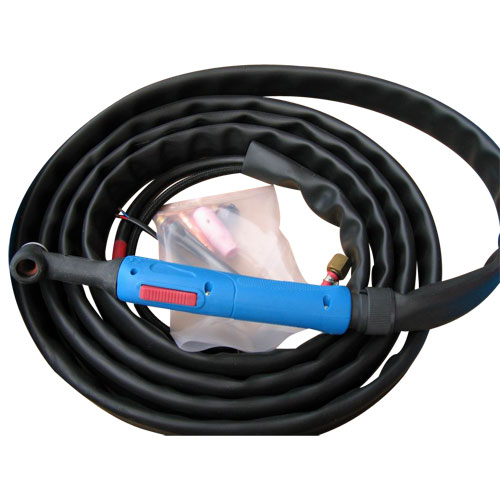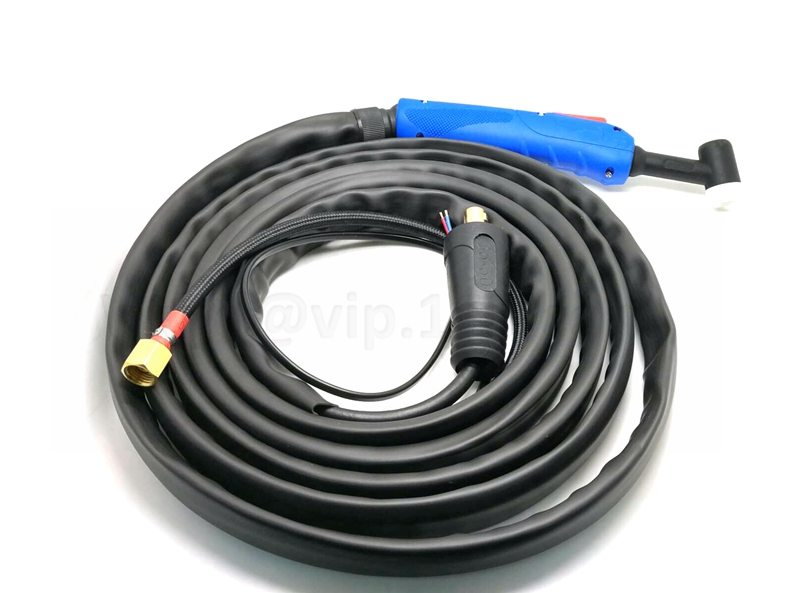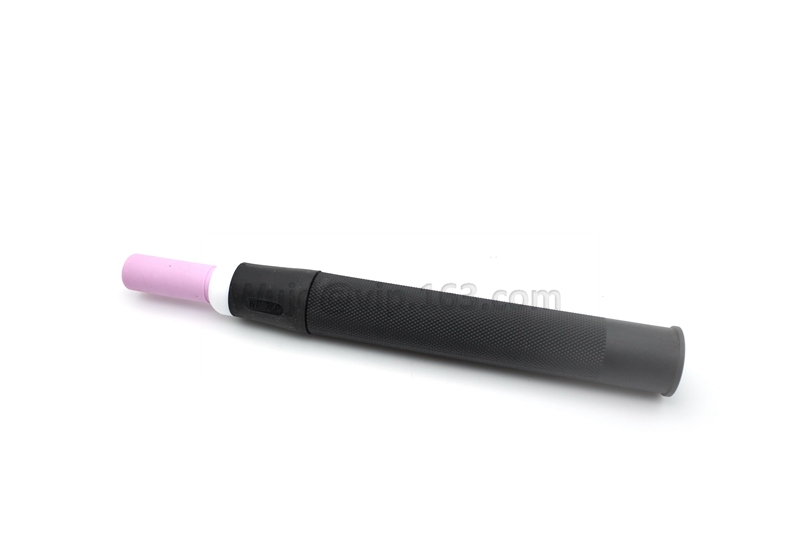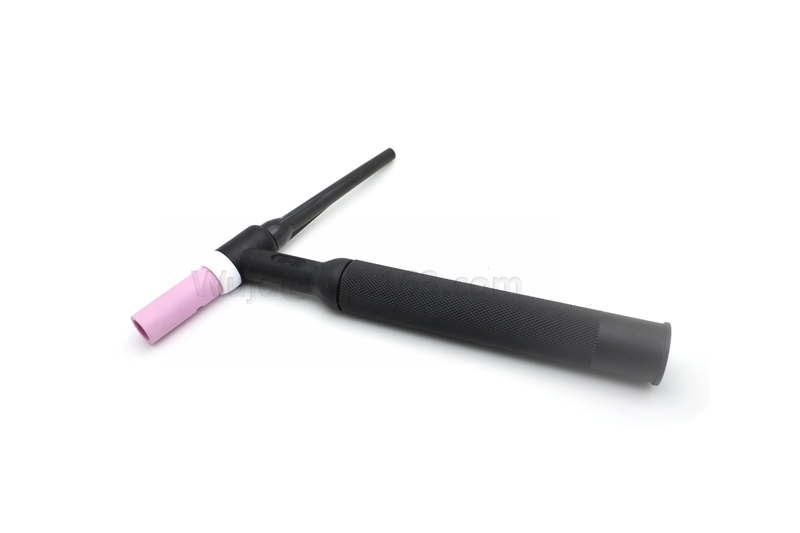




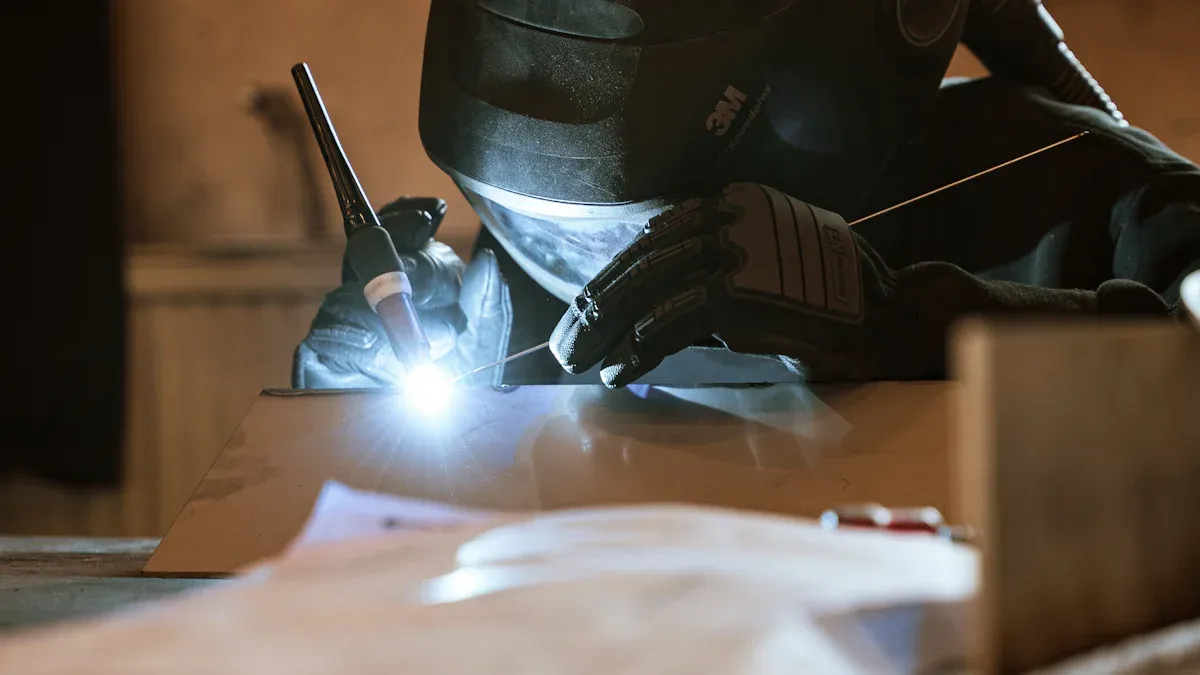
Taking care of your tig torch helps keep welding safe and cheap. It also makes your torch last longer. If you do regular maintenance, you stop problems before they happen. This means your equipment works longer.
You stop problems that can make welds bad or break your tools.
You lower the risk of paying a lot for fixes or new parts.
You make your welds better and keep your work area safe.
| Torch Series | Torch Styles | Consumables | Roles |
|---|---|---|---|
| 2 Series | 9, 20, 24 | Collet bodies, collets, gas lenses, cups, tungsten electrodes | Good for small jobs and tight spots. |
| 3 Series | 17, 18, 26 | Collet bodies, collets, gas lenses, cups, tungsten electrodes | Works well for big jobs and hard work. |
All welders, new or skilled, should know how each part works. They should also know why taking care of them is important.
Key Takeaways
Taking care of your TIG torch consumables stops problems and helps your equipment last longer. - Check and change old parts often to keep welds strong and stay safe while welding. - Pick the right size and type of tungsten electrode for your job to get better results. - Keep your TIG welding parts in a dry, clean place so they do not get damaged and are ready to use. - Stick to a maintenance schedule to lower the chance of surprise repairs and to save time and money.
TIG Torch Consumables Overview
What Are TIG Torch Consumables
You use tig torch consumables every time you weld. These parts help you create a clean, strong weld. Each consumable has a special job. Collets hold the tungsten electrode steady. Cups shape the gas flow to protect your weld. Electrodes make the arc that melts the metal. You can see how these compare to other welding processes in the table below:
| Welding Process | Consumable Type | Function |
|---|---|---|
| MIG | Contact Tips | Carry current to the wire and keep the arc steady. |
| Diffusers | Spread shielding gas for smooth welding. | |
| Nozzles | Guide gas flow for good coverage. | |
| TIG | Collets | Hold the tungsten electrode in place. |
| Cups | Shape and direct shielding gas. | |
| Electrodes | Start and keep the arc going. |
Manufacturers use special materials for these parts. For example, collets use copper to give good electrical contact. Back caps use phenolic compounds to handle heat and keep the electrode tight. Some back caps work better for high heat, while others fit regular jobs.
Why Maintenance Matters
You need to care for your tig torch consumables to get the best welds. Good maintenance keeps your equipment safe and your welds strong. High-quality consumables help you control heat and make welds without defects. If you use poor parts, you might see cracks or holes in your welds. Bad parts can also put you at risk by not blocking UV rays or fumes.
If you skip maintenance, you face problems like:
More safety risks from broken equipment
Equipment failure that stops your work
Tip: Check your consumables often. Replace any part that looks worn or damaged. This simple habit keeps your tig torch working well and helps you avoid costly repairs.
Key TIG Torch Consumables
Collets and Collet Bodies
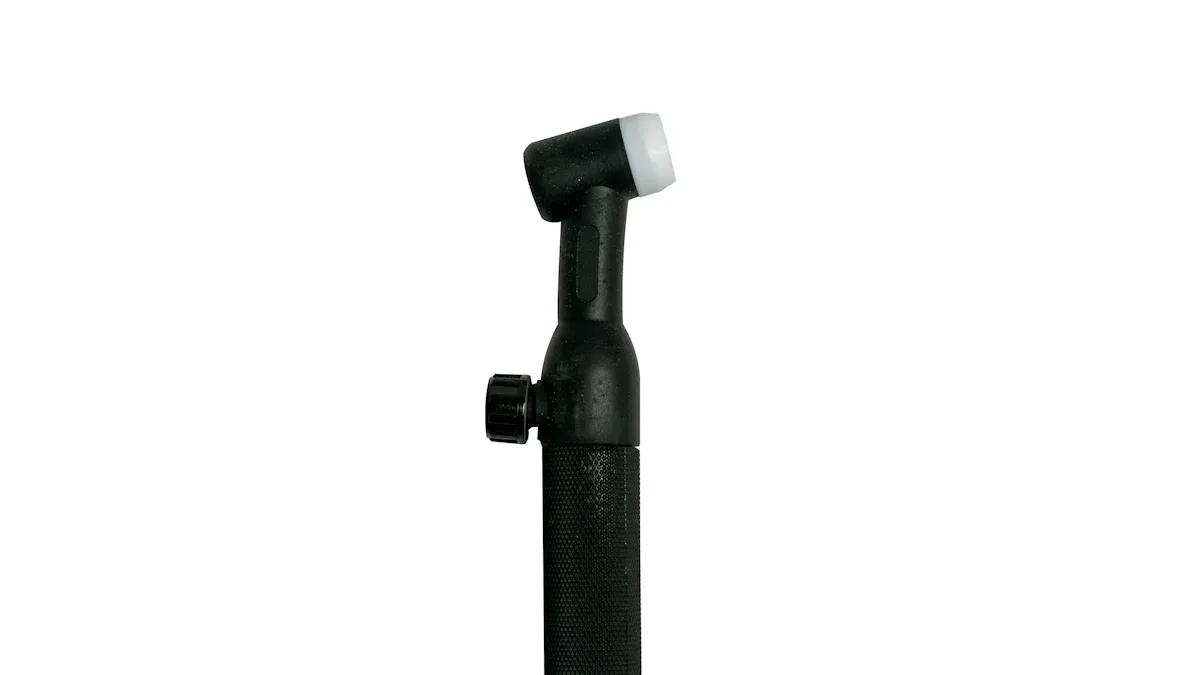
Collets and collet bodies hold the tungsten electrode in place. They help keep the arc steady so your welds look clean. The collet body lets shielding gas move around the weld. This gas keeps dirt and air away from your weld. Look at the table below to see what these parts do:
| Function | Description |
|---|---|
| Holds the Tungsten Electrode | Stops the electrode from moving and keeps the arc steady. |
| Distributes Shielding Gas Evenly | Helps keep the weld safe from dirt and air. |
| Supports Heat Management | Stops the torch from getting too hot and helps it work well. |
The collet body connects the collet to the back cap. It also helps the torch get power. Always check these parts for damage before you start welding.
Gas Lenses and Cups
Gas lenses and cups help you get better gas coverage. Gas lenses have a mesh that makes the gas flow smooth and steady. This stops the gas from swirling and keeps the weld safe. You can hold the nozzle farther away and still see your work. This helps stop tungsten from getting into the weld.
| Benefit | Description |
|---|---|
| Improved Gas Flow | Gas lenses make the gas flow longer and smoother, which helps cover the weld better. |
| Better Protection | They keep bad stuff in the air away from your weld, which is important for some metals. |
| Cost Efficiency | Gas lenses cost more at first, but they save money by using gas better. |
Tip: Change any cup that is chipped or cracked. Broken cups can mess up your gas flow and make your welds worse.
Back Caps
Back caps close the end of your torch and hold the tungsten tight. You can pick long, medium, or short back caps. Long back caps are easy to hold and work for most jobs. Short back caps are good for small spaces. Some back caps use special materials to handle high heat.
| Back Cap Type | Description |
|---|---|
| Long Back Cap | This size is easy to grip and works for most welding jobs. |
| Medium Back Cap | This one is between long and short, good for tighter spots. |
| Short Back Cap | This type is best for small or tight spaces, so you can move better. |
| Heat-Resistant Back Caps | These are made for high heat and work well with strong welding currents. |
Tungsten Electrodes
Tungsten electrodes make the arc that melts metal. You need to pick the right one for your job. Each kind works best with certain metals and ways of welding.
| Type of Electrode | Composition | Best Applications |
|---|---|---|
| Pure Tungsten | 99.5% tungsten | Used for AC welding on aluminum and magnesium |
| Thoriated Tungsten | 1-2% thorium | Used for DC welding on steel, nickel, and titanium |
| Ceriated Tungsten | 2% cerium oxide | Good for low power AC or DC welding, great for thin metals |
| Lanthanated Tungsten | 1-2% lanthanum | Works for many jobs, both AC and DC welding |
| Zirconiated Tungsten | Small amount of ZrO2 | Best for AC welding, especially on aluminum |
Always use the right size and type of tungsten for your job. This helps you get a steady arc and strong welds.
TIG Torch Maintenance Steps
Cleaning Methods
You have to keep tig torch consumables clean for strong welds. This also helps stop contamination. There are a few ways to clean, and each has good and bad sides.
Mechanical cleaning uses rough tools to take off heat-tint and dirt. Make sure your tools are clean before you use them. Dirty tools can scratch the parts and leave bits behind.
Chemical cleaning uses things like pickling paste. This way removes dirt well, but it can be risky. Pickling paste has strong chemicals that can burn skin or make bad fumes. Only use these chemicals if you have the right safety gear.
Electrochemical cleaning uses a special brush and fluid. This way cleans and protects the surface. It makes the finish smooth and helps stop rust. Many welders like this way because it is safer and works well.
Tip: Do not use harsh chemicals on tig torch consumables. You could hurt the parts or yourself. Always pick safe ways to clean and wear safety gear.
Inspection Checklist
Checking your tig torch often helps you find problems early. You should look at each consumable and make sure it is okay. Use this checklist to help you check:
| Item | Description |
|---|---|
| Inspect Other Consumables | Look at electrodes and rods for cracks or damage. |
| Store consumables in the right place. | |
| Make sure the size matches what you need. | |
| Inspect Gas Nozzles and Tips | Look for wear, cracks, or clogs in gas nozzles. |
| Gas tips should be clean and not have any dirt. | |
| Make sure nozzles are tight and in the right spot. | |
| Check Spatter Shield and Diffuser | Look for wear or rust on spatter shields. |
| Clean or change the spatter shield if needed. | |
| The diffuser should be in right and not have dirt. |
You should also check swirl rings, o-rings, and the gas lens. Look for cracks or chips in cups. Change any cup that is dropped or broken. Always use the right tungsten size for your torch. Grinding tungsten the right way helps you get a steady arc.
Note: Only bend the torch head up and down. This keeps the torch safe and your welds even.
Replacement Timing
You need to change tig torch consumables at the right time. This keeps your welds strong and safe. How often you change them depends on how much you weld and what you weld.
| Maintenance Task | Frequency |
|---|---|
| Replace consumables | Monthly |
| Comprehensive system checks | Monthly |
| Heavy industrial users | Every 2-3 weeks |
| Light-duty users | Every 6-8 weeks |
If you weld with high amperage, change consumables more often. The torch’s amperage range changes how long parts last. Different materials can make tungsten wear out faster. Pick the right tungsten size for each job. Water-cooled torches help stop overheating and make parts last longer.
Check the amperage range for your torch. Higher amperage wears parts out faster.
Pick the right tungsten for the metal you weld. This helps you get better welds.
Use a water-cooled torch for big jobs. This keeps the torch cool and saves your consumables.
Tip: Make a schedule for checking and changing parts. This helps you stop sudden problems and keeps your tig welding safe and easy.
Signs of Wear in TIG Welding
Wear Indicators
You need to watch for signs that your tig welding consumables are wearing out. If you spot these early, you can fix problems before they ruin your welds. Worn parts can cause weak joints, poor arc starts, or even safety risks. Here are some common signs to look for:
The tungsten tip looks rounded, split, or has black spots.
The gas cup has cracks, chips, or burns.
The collet does not grip the tungsten tightly or shows grooves.
The back cap feels loose or the o-ring looks cracked.
You see spatter or dirt building up on the cup or lens.
The arc flickers or wanders instead of staying steady.
If you notice any of these, you should stop and check your torch. Worn consumables can let air mix with the weld pool. This can cause porosity, which means tiny holes form in your weld. Sometimes, oil, grease, or dust on the tungsten or other parts can also cause contamination. Moisture in your consumables can release gases that make the weld weak. Even the filler rod can bring in dirt if you do not keep it clean.
Tip: Always keep your tungsten and other consumables dry and clean. This helps you avoid gas absorption and keeps your welds strong.
Troubleshooting Weld Quality
When your welds start to look bad, you can take steps to find and fix the problem. Poor weld quality often comes from worn or dirty consumables. Here is a simple checklist to help you troubleshoot:
Keep everything clean: Make sure the base metal and all consumables are free from oil, dust, and spatter. Clean parts help prevent porosity and other defects.
Check and replace worn parts: Look at o-rings, power cables, and the tungsten. If you see damage or wear, replace the part right away. This stops leaks and keeps your arc steady.
Use the right size and maintain your consumables: Always use the correct size tungsten for your torch. Trim liners with the manufacturer’s gauge if needed. Some systems make it easier to change parts, so use them if you can.
If you still see problems, look for these weld defects:
| Weld Defect | Possible Cause | What to Do |
|---|---|---|
| Porosity | Gas leaks, dirty tungsten, moisture | Clean parts, check gas flow, dry consumables |
| Arc instability | Worn collet, loose tungsten, dirty cup | Replace worn parts, clean cup |
| Contamination | Oil, grease, or dust on parts | Clean all surfaces, use gloves |
| Weak welds | Wrong tungsten size, worn collet | Use correct size, replace collet |
You can solve most tig welding problems with regular care and maintenance. Always inspect your torch before you start. If you keep your tungsten sharp and your consumables in good shape, you will get better welds every time.
Note: Good maintenance helps you avoid costly repairs and keeps your tig torch working safely.
Consumables Setup and Storage
Proper Assembly
It is important to set up your tig torch parts the right way. Always make sure each part fits your torch and the job you want to do. Using the right size torch and matching parts helps stop problems when you weld. Here are some easy tips for putting your torch together:
Make sure all parts match your torch series and what you need to weld.
Pick a back cap that fits your workspace and tungsten size.
Use collets and collet bodies that fit your tungsten well.
Choose the cup type you need, like alumina, ceramic, or pyrex.
You can use a consumable kit made for your torch to make setup simple.
If you put the parts together wrong, you might get bad gas coverage or see your welds turn colors. If you forget pieces, like insulator adapters, your welds can have problems. Always check your setup before you start welding.
Tip: It is better to replace ceramic cups than to clean them. Cracks or chips in cups can mess up gas flow and make welds worse.
Storage Tips
You should keep your tig welding parts safe and clean. Good storage keeps your parts ready to use. Try these tips to protect your torch parts:
Keep parts in their original packaging until you need them.
Store them in a dry place, away from water and big temperature changes.
Use sealed containers to keep out dust and dirt.
Throw away any parts that are rusty or damaged.
Keep tungsten electrodes dry and clean so they do not get dirty.
Storing your parts the right way helps you avoid problems when you weld. You save money and keep your torch ready for any job.
Note: Good storage and setup habits help you get the best results from your torch parts every time.
You get the best results when you give your tig torch regular care. Follow these steps to keep your equipment in top shape:
Inspect and replace worn parts to boost performance and extend equipment life.
Stick to a maintenance schedule for safer welding and fewer repairs.
You lower risks by checking cables and parts often.
You save time and money by avoiding surprise breakdowns.
Choose Longren for quality consumables and support that help you weld with confidence.
FAQ
How often should you replace TIG torch consumables?
You should check your consumables before each welding job. Replace any part that looks worn, cracked, or damaged. Regular replacement keeps your welds strong and your equipment safe.
What is the best way to clean TIG torch parts?
Use a clean, soft brush to remove dirt and debris. Avoid harsh chemicals. You can use mild soap and water for most parts. Dry everything before you put the torch back together.
Can you use any tungsten electrode with your torch?
No, you need to use the correct size and type of tungsten electrode for your torch and the metal you plan to weld. Using the wrong electrode can cause poor welds or damage your torch.
Why do ceramic cups need frequent replacement?
Ceramic cups can crack or chip easily. Even small damage can affect gas flow and weld quality. It is safer to replace them instead of trying to clean or repair them.
Do you need special storage for TIG welding accessories?
Yes, you should store tig welding accessories in a dry, clean place. Keep them in sealed containers or their original packaging. This prevents rust, dirt, and moisture from causing problems.